Policy Recommendations for Decarbonizing California’s Cement Sector
AJW is proud to have partnered with Clean Air Task Force on its latest report, ‘Cementing California’s Future,’ to develop policy recommendations for achieving net-zero greenhouse gas (GHG) emissions in California’s cement sector by 2045.
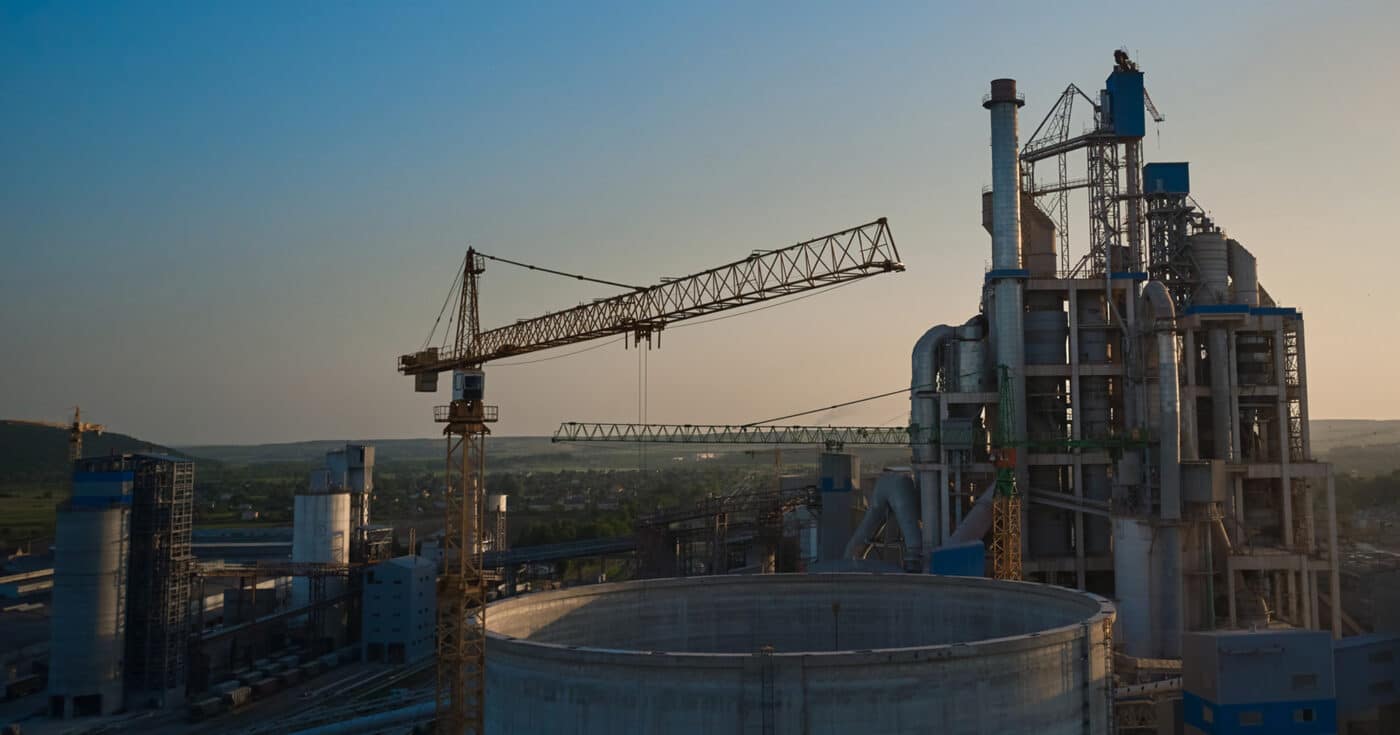
As California implements its portfolio of climate policies, the industrial sector is the second-largest GHG-emitting sector in the state, and cement contributes to roughly 2% of statewide emissions. Cement is a foundational element to California’s infrastructure and economic advancement, with steady forecasted demand. However, cement production is difficult to decarbonize due to its high-temperature kilns and chemical processes. While the state has begun to implement SB 596, a law requiring cement production to achieve net-zero GHG emissions by 2045, the path that will help lead the state to meet that goal is still unclear.
The scope of this policy report builds on CATF and Synapse Energy Economic’s accompanying technical report “Assessment of Decarbonization Pathways for California’s Cement Sector” (“technical assessment”) of various potential decarbonization pathways at cement plants: carbon capture and storage (CCS), alternative fuels, kiln electrification, and use of supplementary cementitious materials (SCMs) to create novel cement blends. While the potential decarbonization pathways outlined in the technical assessment are plausible, all face cost, infrastructure, or implementation barriers that cannot be overcome by the market alone. Rather, a suite of supportive policies is needed to reduce financial risk, accelerate early deployment, and enable the pace of investment required to meet state climate targets and mandates in SB 596. The policy report identifies tools California policymakers should consider that will support the deployment of a suite of decarbonization technologies, including options with a higher capital and operating costs.
The policy recommendations described in this report fall into three broad categories:
A. Financial Support
B. Market-Based Mechanisms
C. Regulatory Interventions
While a single policy instrument is unlikely to fully address the diverse challenges of decarbonizing the cement sector in California, clear policy frameworks can establish standards, create economic incentives, improve air quality, and provide certainty for industry investments in cleaner technologies.
You can read the full report on the Clean Air Task Force website here.
The report was supported by AJW’s Mary Solecki, Ted Michaels, Cassandra Lopina, and Caelin MacIntosh